


Your photographs can keep getting better while your projects go nowhere.
It starts well. You find a subject that matters, you go deep, and the pictures are getting better and better. For a while, it feels like this is the one.
Then you sit down to edit.
You cannot see how the images fit together. You know something is missing, but you don’t know exactly what. You open the folder again, close it, open it again. Nothing changes, so you put the edit aside.
Then another subject catches your attention.
So you start again.
The body of work you wanted to make is still unfinished. The questions that stopped you last time are waiting in the next project.
I spent years doing this.
I had Salgado’s ambition and none of his method.
Too many interests, too many places I wanted to go. I told myself I was curious, that I had too many ideas for one project. It sounded better than the truth: I moved on whenever I got blocked, before I learned how to finish.
That changed when I committed to one story and kept returning, even when I was unsure what to do next.
That story began inside an abandoned chocolate factory.
Committing to one story
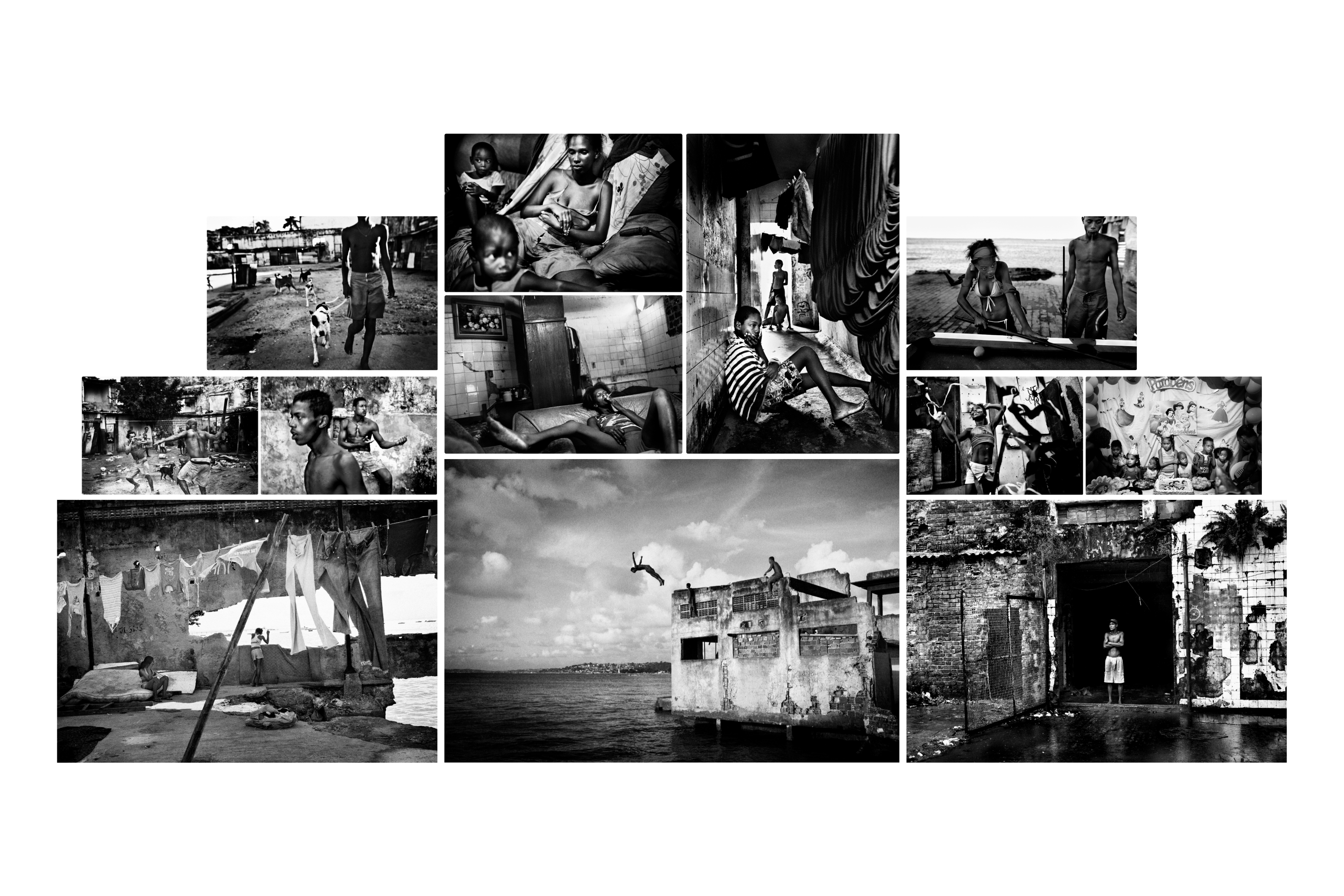
Dozens of families, tired of the violence of the streets in Salvador de Bahia, Brazil, had taken over the ruined building and rebuilt it into a community that governed itself. I felt it the first time I walked in. I knew I was standing in front of the story I wanted to tell.
Everything I wanted to understand about people was happening there at once. How people get together to survive, to have a better life. A culture of resistance, expressed through daily life.
There was hope, despair, love and betrayal, friendship and conflict. Raw life, at full volume, compressed into one place.
My parents are from Latin America, and I had traveled the region ever since I was a kid to visit my family. The language, the unwritten codes, the way people relate to each other felt familiar. At the same time, everything I had studied in sociology and anthropology suddenly had a place to land: a community to understand through people I could get to know.
At the time, I was enrolled in a master’s program in photography in Barcelona, but I had found my story, and sitting in a room for a year while carrying out the teachers’ random assignments was not my path. So, without much of a plan, I told the director of the master’s program that I had to leave, that I was going back to Brazil to continue my project. I showed him some of the work, and he told me it could serve as the basis for finishing the degree. I could earn the master’s if I took the project seriously and finished the story I had in mind.
I had no assignment. No money. No guarantee. No idea what I would do with the finished work.
But I had a place and a story I wanted to tell.
I was obsessed.
I kept going back. Again and again.
That persistence and focus on one project helped me complete the master’s through my work in Brazil without returning to the classroom. The project also earned me the Ian Parry Grant, which provided financial support to return. The work was published in The Sunday Times Magazine and exhibited in London. I met photo editors for the first time and gained representation with Reportage by Getty, on a roster with photographers like Eugene Richards, Tom Stoddart, and Brent Stirton.
The project was called Urban Quilombo. It was the first thing I made that was truly mine. And fully finished. Ready for the world.
But before any of those opportunities came, staying with the story had already changed how I worked.
What staying with a story teaches you
Urban Quilombo forced me to face questions I could previously leave behind by moving on to the next thing.
How do you earn people’s trust? How do you build relationships that last? How do you make a selection when every photo carries a story someone trusted you to tell? How do you stay when it gets hard, when you run out of money, or when you don’t know if anyone will ever see the work?
Wanting to finish was not enough. I had to understand what was missing, and then find out what to do next.
Before, I could leave with a few photographs I liked. Now I was committed to finishing a story, and the gaps in my understanding had become problems I needed to solve.
That is what focus changed. Each return showed me something I had not understood before. I needed to understand the relationships more deeply, recognize what the pictures were missing and make decisions about what belonged in the story.
Focus compressed years of learning into months.
I also printed hundreds of photographs so that every family had an album of their own. The work meant bringing something back to the people who had let me in.
A new subject gives you the excitement of a fresh start. But if you leave to avoid a difficult decision, you carry that difficulty into the next project. If you leave every project when the edit gets hard, you never learn how to carry an edit through. If you leave whenever access takes time, you never discover what a sustained relationship might make possible.
Some projects should change direction. Some should end. Commitment means looking honestly at what the work needs, including whether the original idea still holds. But changing subjects every time you reach the limits of your ability leaves those limits untouched.
For me, staying with Urban Quilombo meant finding guidance, changing my approach, and returning with a clearer understanding of what I still needed to do.
Gradually, I began to treat those difficulties as part of making the story. Earning trust, recognizing what was missing, deciding what to leave out: working through those problems was how I learned to finish.
I did not know how to make the whole project before committing to it. Committing gave me a reason and a direction to learn what I did not yet know.
Give your curiosity somewhere to go
Without committing to a project, curiosity can become an eternal loop of starting and quitting.
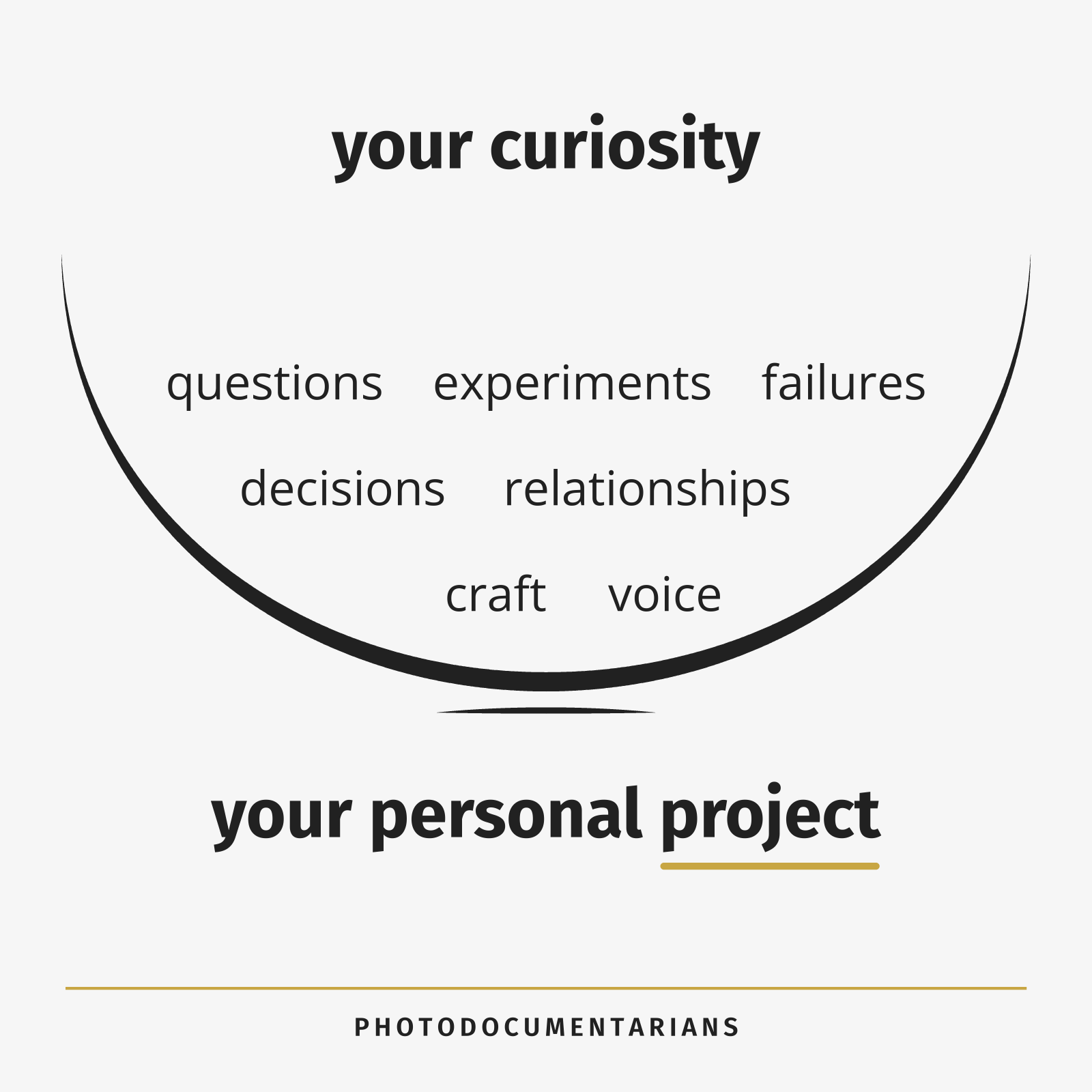
A personal project gives your curiosities a tangible form. It becomes a vessel for your questions, your failures, your experiments, and your decisions. What you learn has somewhere to go.
Photographers already understand this. Every picture you take is a decision about what to leave out. A project does the same for your curiosity.
You can read and watch and absorb forever without moving an inch, trapped in tutorials. You understand the advice. You take notes. But when you open your own photographs, you still do not know what to do with them.
A project gives you somewhere to test what you learn.
A conversation reveals something your research missed. An edit shows you that you have photographed one part of the story repeatedly and barely looked at another. Feedback helps you recognize a gap you could not see on your own. You return with a reason to work differently.
Developing one project also connects skills you might otherwise learn separately. You develop an idea, plan the work, take photographs, edit them, and decide how to bring the story into the world. The edit changes what you need to photograph. What you learn from the people changes the idea you began with. Each decision affects the others.
That is why finishing matters. One finished project can teach you things a hundred beginnings never will. Carrying one through gives you experience with decisions you would otherwise never reach. You start the next project knowing more about what the whole process requires.
Your point of view takes shape in the work
Choosing the project yourself also means taking responsibility for its direction. You are responsible for setting the brief as well as taking the photographs. You have to decide what you are trying to understand, then remain willing to question your assumptions when the story contradicts them.
That does not give you unlimited freedom. You still have to work with the access you can earn, the time and money available, and your responsibilities to the people you photograph. But you have chosen the question. You have a reason to work through those constraints.
You can seek guidance without giving up that responsibility. Someone else may help you see why an edit is not working or ask the question you have avoided. You still have to decide how to respond and do the work.
Over time, those decisions begin to reveal your point of view. What you keep noticing. Which relationships you spend time understanding. What you include, what you leave out, and what you refuse to simplify.
You may not be able to describe your voice before you start. But as you make those choices, it begins to appear in the work.
One project will not contain everything you care about. It may leave you with a question that becomes the next one. Across several projects, you begin to recognize the concerns you keep returning to. What once felt like scattered interests starts to form a body of work.
Your personal project gives people a reason to choose you
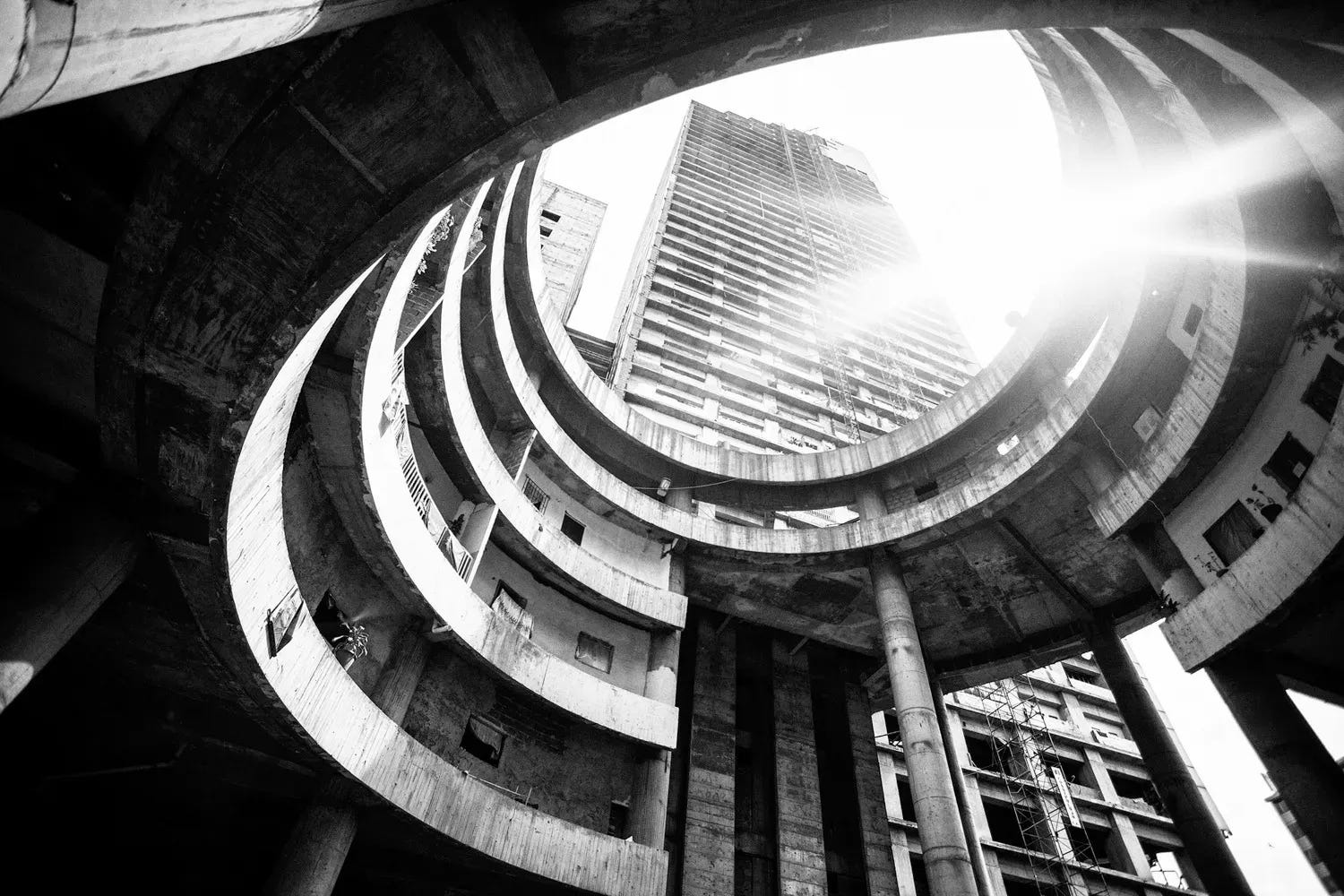
In my case, Urban Quilombo led to a call from The New Yorker. My first assignment for them took me to Caracas with the writer Jon Lee Anderson to photograph the Tower of David, an unfinished skyscraper where more than a thousand families had built a vertical city of their own.
Urban Quilombo showed more than my ability to take good individual photographs. It showed that I could stay with a community and develop a story about how people built a life together under difficult conditions. A portfolio of thirty good photos from eleven countries would never have gotten me that call.
While I was working in the Tower of David, the man who ran it told me what was happening in Venezuela’s prisons. That conversation led to my next story, inside Vista Hermosa, a prison where inmate leaders ran daily life and the guards patrolled only the perimeter. With support from a grant, I developed the work that became On the Inside. TIME published it. It was exhibited at Visa pour l’Image in Perpignan.
Many other assignments followed. Some came as stories editors proposed, already aligned with my interests. Others were pitches I made myself, about things I was curious to explore.
Story by story, these projects became chapters in a larger investigation into the culture of violence in Latin America. Conversations with family, friends, and the people in my stories kept bringing me back to the same question: What happens to a society when the possibility of violence becomes part of everyday life? I wanted to understand what that fear does to people and their communities. What it means to raise a family or go to work knowing that something could happen at any moment.
To keep developing new chapters, I applied for the Alexia Grant and received it. It came at a turning point in my career. The chapters that followed brought collaborations, clients, collectors, and gallery representation aligned with the work I had chosen to make. I became a member of NOOR Images and a Leica Ambassador. I was not chasing random gigs for random clients anymore.
I had not planned that whole body of work when I entered the factory in Salvador. Finishing one story helped me recognize the next. As I learned how to develop more complex projects, I could pursue questions I would not have known how to approach before. My curiosities were giving my career direction.
That is the part most photographers don’t see. You do not build a meaningful career by taking everything that comes your way. You build it by making the work that attracts the right people and opportunities.
You choose the work first. The career follows.
Different photographers, the same decision
Cristina de Middel came to photograph me for a newspaper in Alicante after I received the Ian Parry Grant. We are both from that city. She had spent ten years at the paper and was tired of running after whatever assignment landed on the desk. That day, she showed me a list of 17 places she needed to be.
We talked about the projects she wanted to make. Her ideas were unlike anyone else’s. We both came to the same conclusion: she needed to finish a project of her own. Over the following months, we met several times to look at the work together.
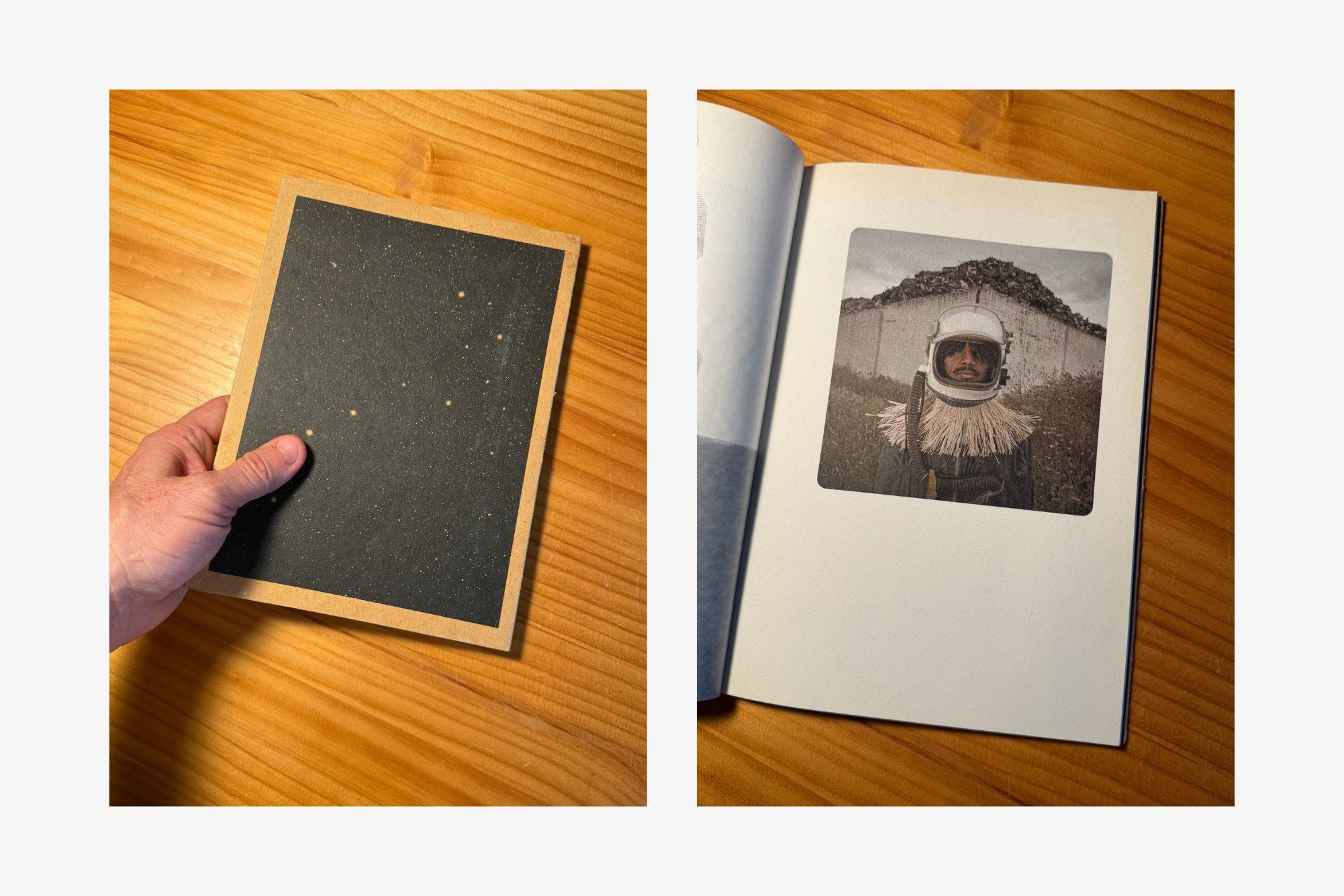
One of those projects became The Afronauts. I remember her running up to me with a copy at Les Rencontres d’Arles before the books ran out. That work helped her build a professional life around her own ideas, books and exhibitions. She built a network that let her keep following her curiosity. She went on to join Magnum and become its president.
Finishing the project gave people a reason to approach her for her own ideas.
Some years ago, I sat with Robin Hammond in a café in Paris. He was moving non-stop from assignment to assignment, and we talked about the subjects he cared about most. I challenged him to give them sustained attention instead of the attention left over between gigs.
His work documenting LGBTQI+ lives and discrimination became Where Love Is Illegal, a project of Witness Change, the nonprofit he founded. A personal commitment grew into a global platform that other photographers, organizations and communities could contribute to. Later, I invited him to join us at NOOR.
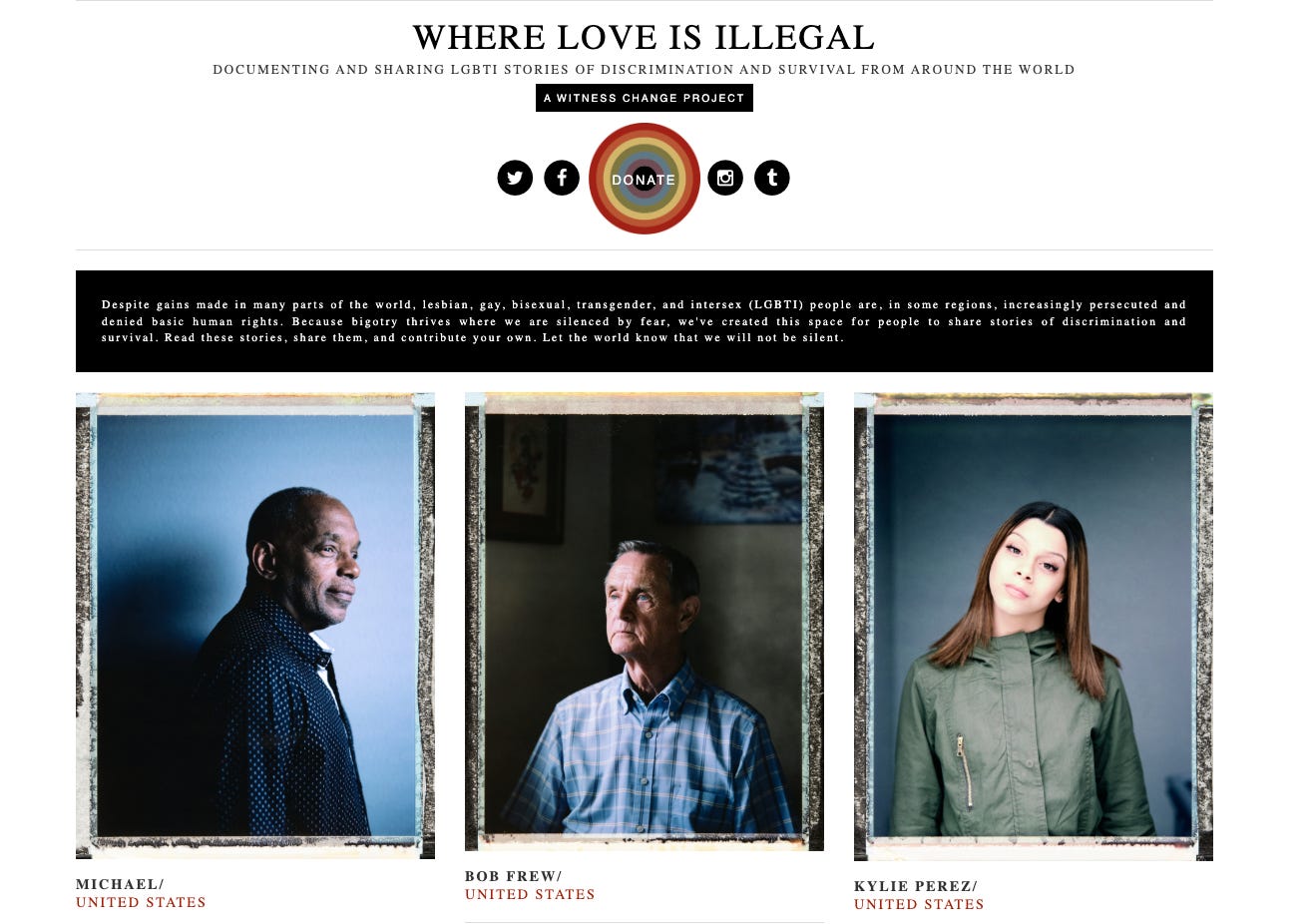
Cristina and Robin are very different photographers. Both made room for work they wanted to pursue and built meaningful careers around it.
What commitment alone will not give you
Annie Sakkab, a photographer I have been working with, had spent four years applying for a National Geographic Explorer grant on her own. When we started working together, we focused on her proposal. Within months, she received the grant, giving her support to continue her personal project, We Used to Watch the Rivers Go By, on water and memory in Jordan.
Now she is one of the finalists for the Leica Oskar Barnack Award (LOBA), with an exhibition at Leica headquarters in Germany.
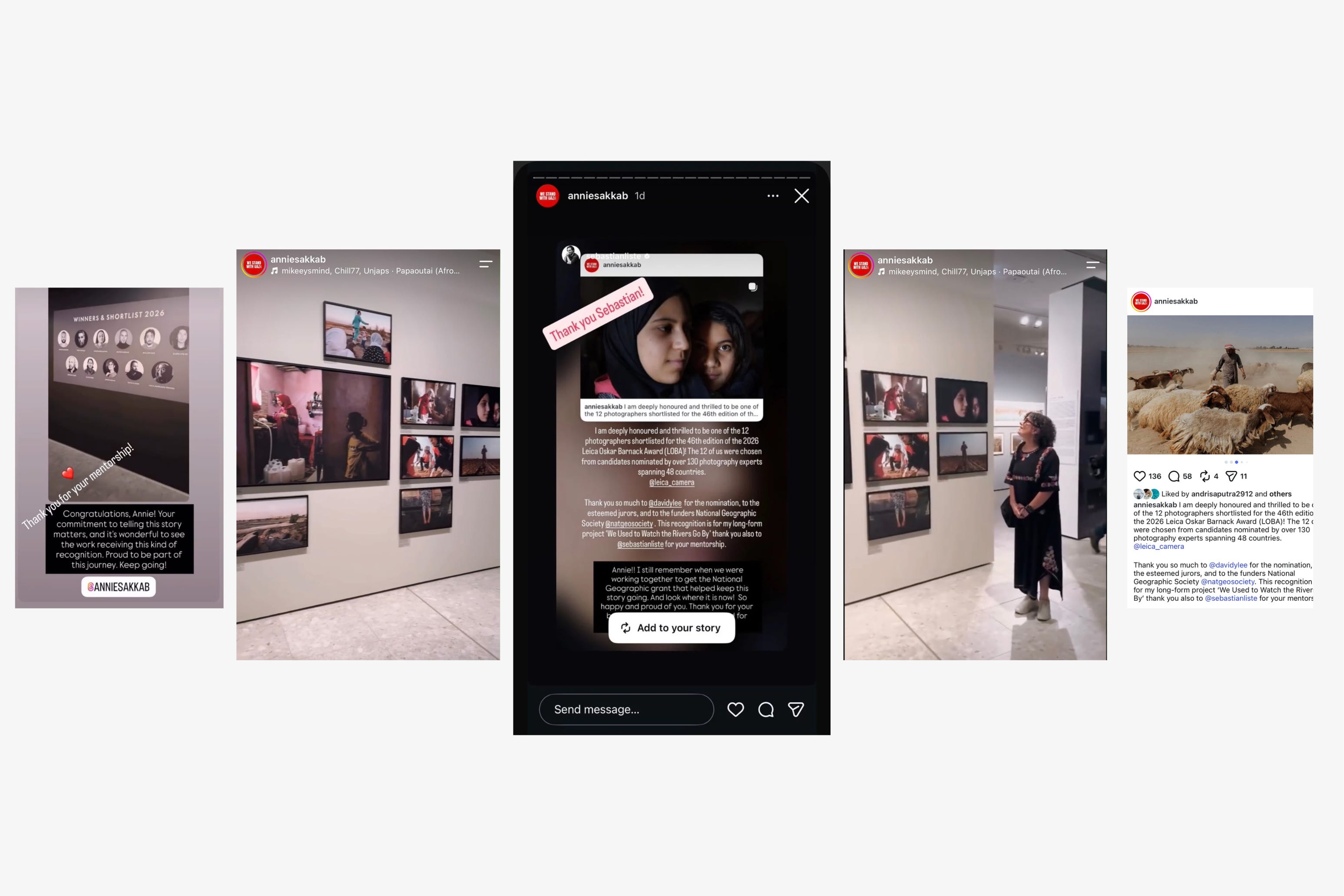
Annie had the talent and the commitment during those four years. I brought experience of that process and could tell her plainly what the proposal lacked. Together, we clarified what she wanted to do and why it mattered. I have seen this pattern again and again.
It was the same for me at the factory. I left the classroom, but I never left the guidance. I learned from mentors, from photographers who made a living from this work and understood the industry from the inside.
Committing to your own project does not mean having to figure everything out alone.
So here is the question.
Of all the stories you have started, which one do you want to carry to the end?
And what is stopping you now?
Perhaps you are choosing between projects. Perhaps you cannot make the edit work. Perhaps you have the story, but you do not know where to take it.
You want to move the work forward. You just cannot see the next step. That is the part I can help with.
For fifteen years, I have been doing this work with photographers. Helping them find the story. Develop it. Fund it. Edit it. Sequence it. Get it seen. That kind of learning comes from working next to someone who has carried projects to the end and knows how to turn their work into new opportunities.
I don’t usually offer standalone portfolio reviews. For this launch, I am making them available only through PhotoDocumentarians Letters.
I am opening 30 places on the Portfolio Review plan. Each includes one private, 30-minute portfolio review with me and a one-year paid subscription.
Bring the work you have and what you are struggling with. We will look at your photographs together.
If you are choosing between projects, we will discuss where to focus. If the edit is not working, we will find what is holding it back. If the story is finished, we will discuss where to take it.
Whichever it is, you leave knowing what needs attention and what to do next.
Every month, your paid subscription includes:
A live editing session where I edit a photographer’s project and explain why an image stays or goes, how the sequence develops, and what the story still needs.
An in-depth lesson on developing projects, editing and sequencing, getting work seen, and the professional side of photography.
A creative challenge to apply the teaching and move your own work forward.
To work with me on your project, choose the Portfolio Review plan on the subscription page. After you join, you will receive a link to book your review.
There are 30 places for this launch. Once they are filled, the plan closes.
Sebastian
P.S. You can also choose a monthly or annual paid subscription without a portfolio review.